Diesel vs Heavy Duty Truck Repair: What Waverly, OH Fleet Operators Need to Know in 2026
Fleet operators serving Waverly, OH, often face a real question when a truck goes down: does it need diesel engine work, or full heavy duty truck repair? This article explains the key differences, covers what Class 6 through Class 8 trucks require in 2026, and helps Pike County, OH, operators make informed service decisions before downtime becomes a bigger problem.
How Truck Classification Shapes Your Service Needs
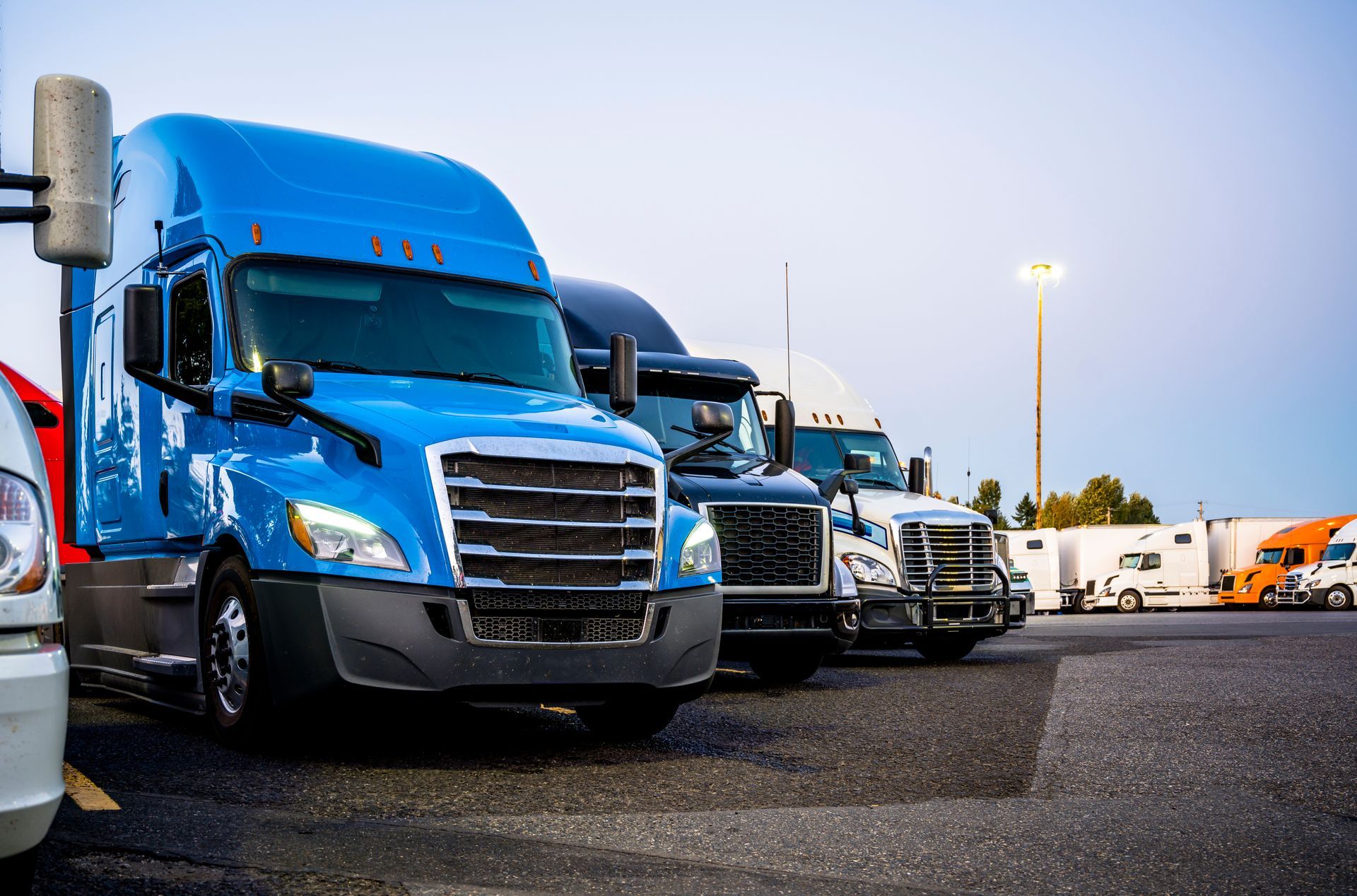
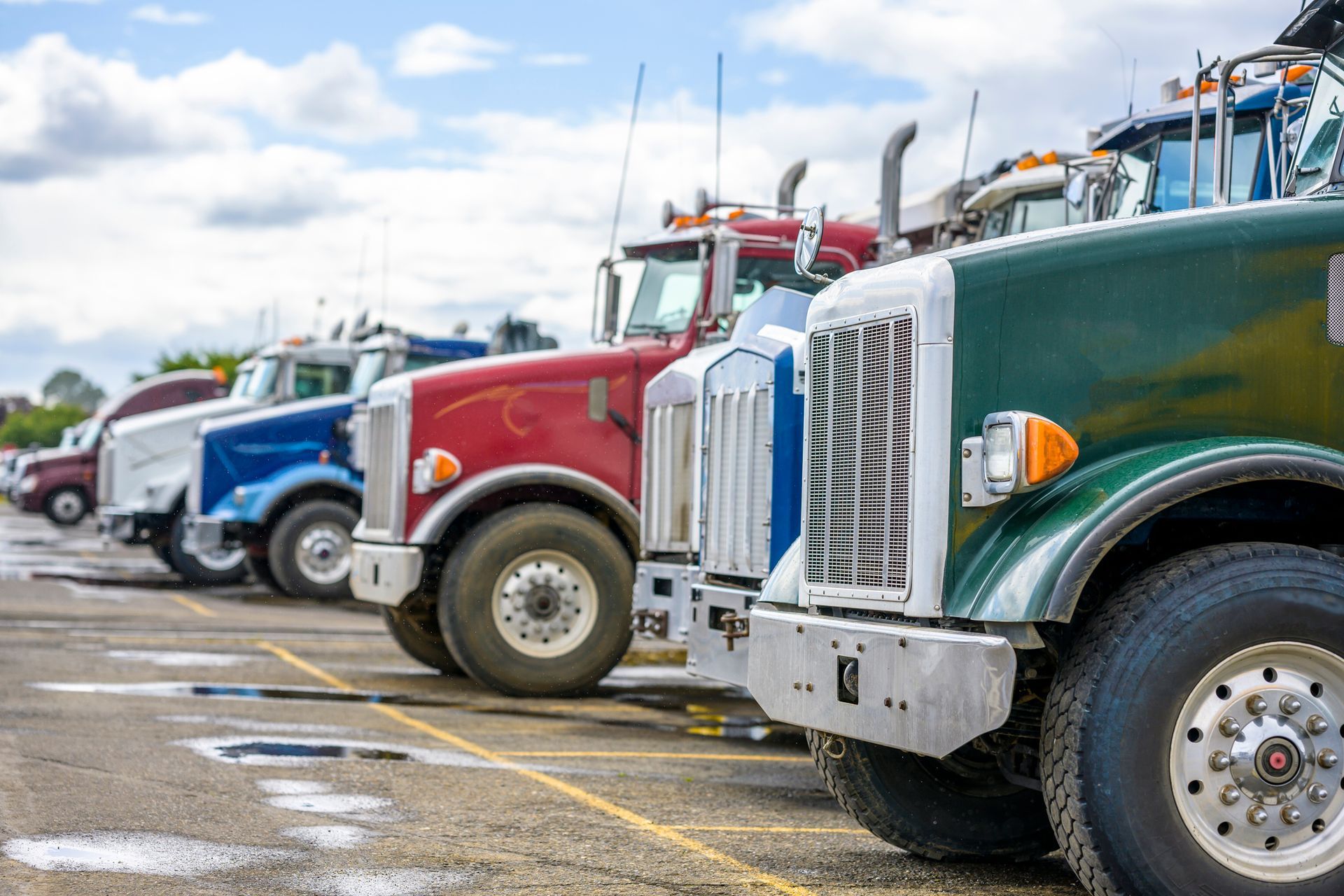
Truck classes are based on GVWR, or Gross Vehicle Weight Rating, which is the maximum operating weight a vehicle is designed to handle, including the truck itself, passengers, fuel, tools, body upfits, and cargo. Heavy duty truck typically refers to Class 7 and Class 8 vehicles, built for heavier loads and more demanding service needs.
The difference between medium duty and heavy duty trucks is not just weight. It also shows up in how vehicles are used, serviced, and managed. For fleet operators running routes along US-23 through Pike County, OH, this distinction directly affects repair costs, inspection requirements, and how long your truck stays sidelined.
What Is the Difference Between Diesel Repair and Heavy Duty Truck Repair?
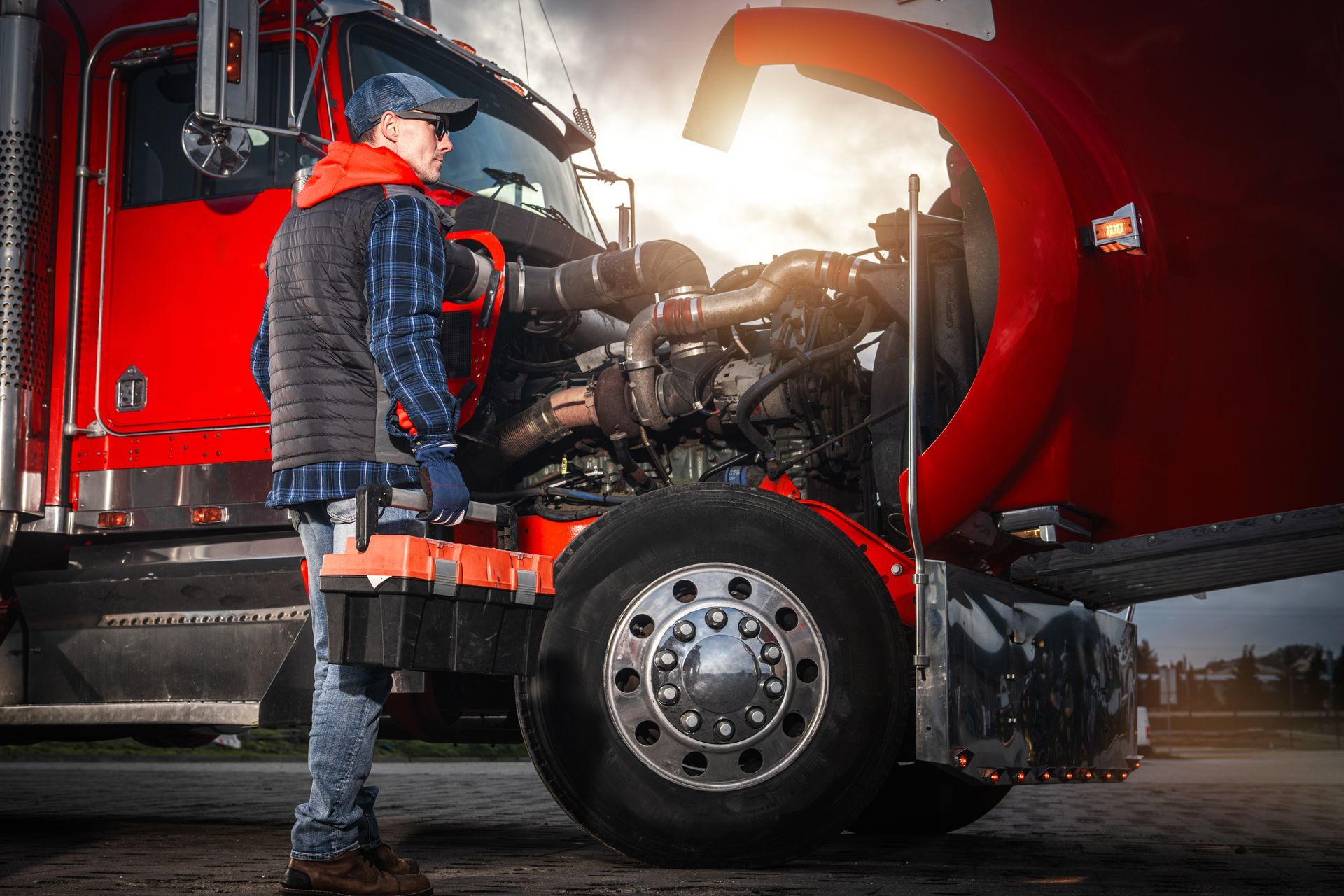
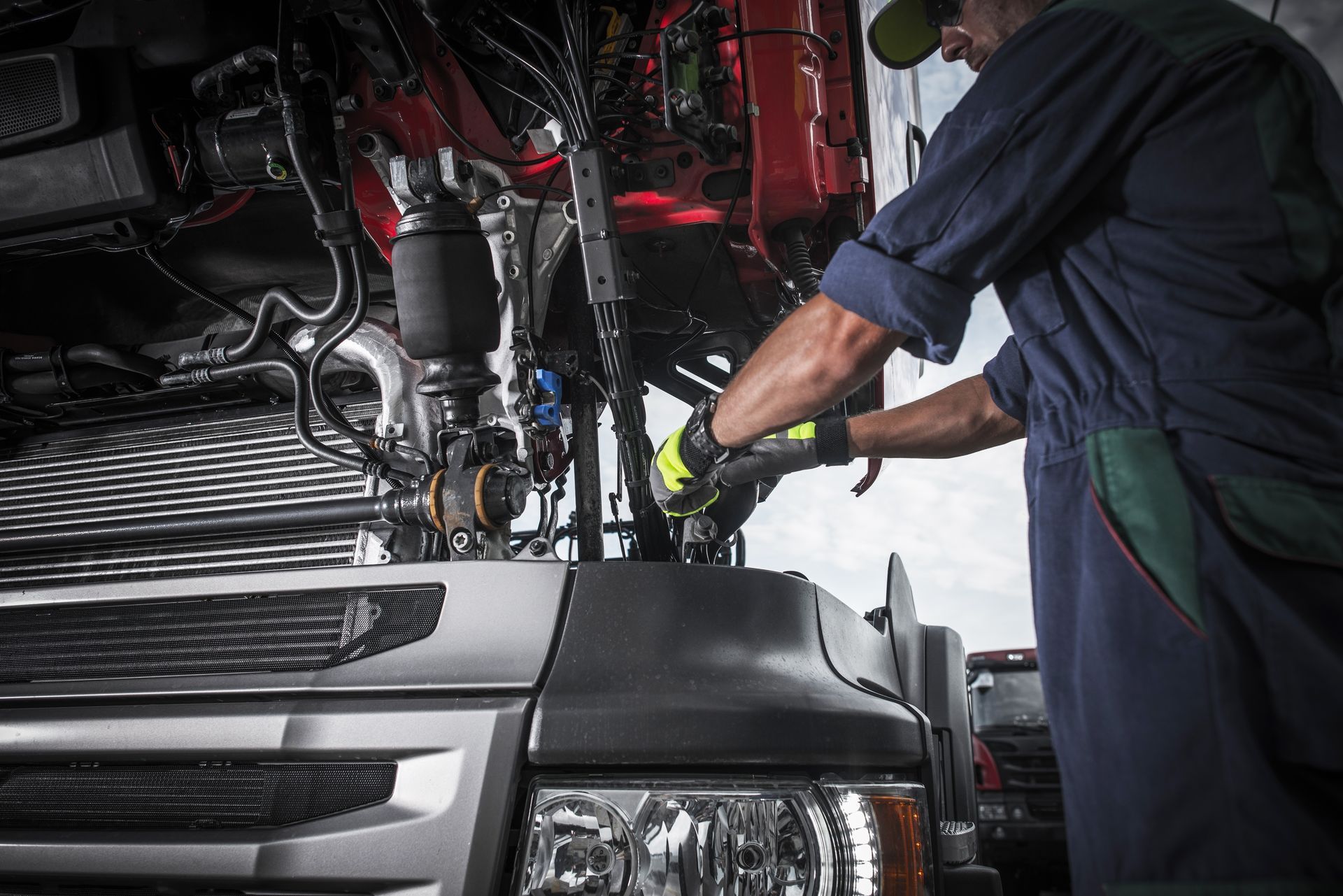
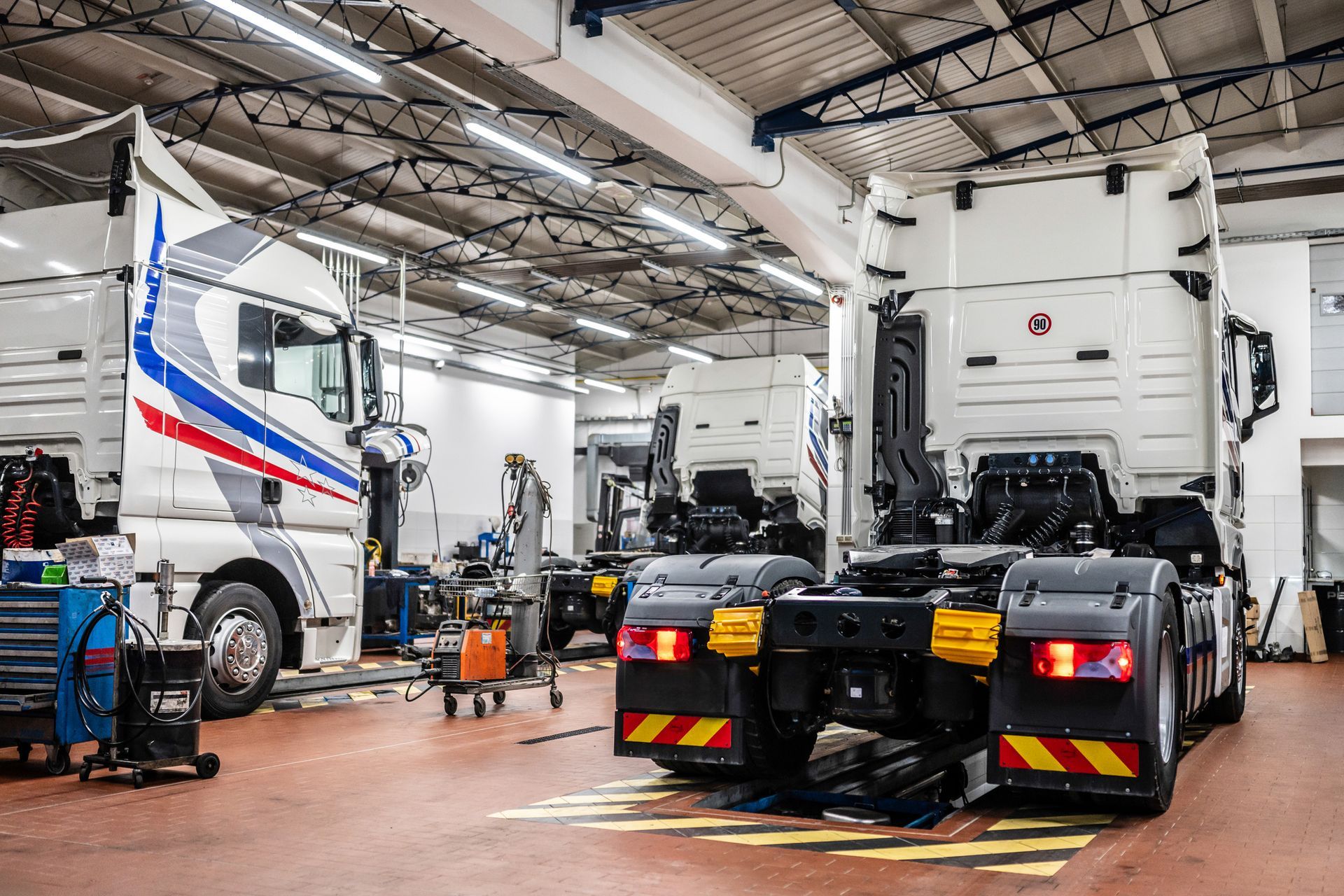
Diesel repair and heavy duty truck repair overlap, but they are not the same thing. Diesel repair often refers to engine-focused work: fuel systems, injectors, turbochargers, and emissions components. Heavy duty truck repair is a broader term covering the entire vehicle, including brakes, drivetrains, suspension, electrical systems, and DOT compliance work on Class 6 through Class 8 equipment.
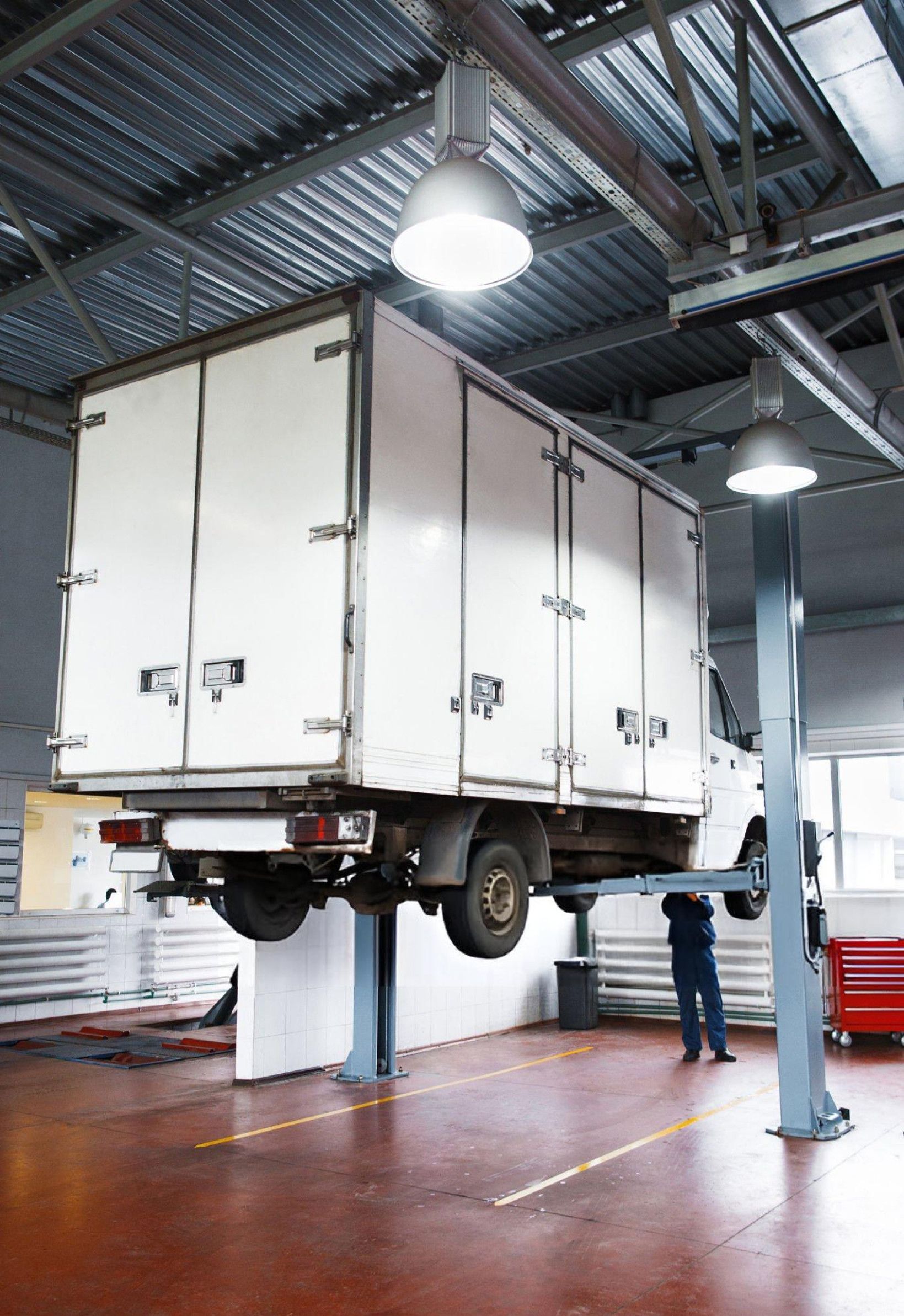
Truck class directly affects maintenance planning. A box truck hauling materials locally in Pike County, OH, faces different wear patterns than a Class 8 semi pulling long hauls south toward Portsmouth on US-23. Actual use matters just as much as classification. A lower-class truck that tows daily or runs hard stop-and-go routes may need more heavy duty truck repair attention than a higher-class truck used more lightly.
Emissions Systems Every Pike County Fleet Should Monitor
Modern diesel engines in Class 6, 7, and 8 trucks carry complex emissions systems that require specialized knowledge to service correctly. Four integrated systems work together to lower soot and nitrogen oxides: the EGR, DPF, SCR (with DEF), and the DOC (diesel oxidation catalyst).
Heavy duty trucks operate under high loads and long run times that place extreme demands on these systems. Failure of EGR or DPF components can result in significant power loss and extended downtime. Medium duty trucks such as box trucks often experience repeated short-duty cycles that strain EGR and DPF components, potentially triggering limp mode or derate conditions. For a fleet running regional deliveries out of Waverly, OH, a truck stuck in derate mode can stall an entire day's work.
Keeping up with DPF cleaning intervals is one of the most practical things a fleet manager can do. The DOC and DPF work as a system. A degraded DOC prevents proper passive regeneration and accelerates DPF ash loading, leading to far more expensive repairs down the road.
DOT Compliance and Why It Cannot Wait
DOT compliance is not optional for commercial fleets, and deferred maintenance creates real legal and financial risk. Inspectors check for clear emissions issues, malfunction indicator lamps, and diagnostic trouble codes related to combustion emissions.
The Commercial Vehicle Safety Alliance reports that 34% of commercial vehicles placed out of service during roadside inspections have violations directly attributable to missed or inadequate maintenance, including brake defects, tire conditions, lighting failures, and fluid system issues that scheduled service would have caught.
Pike County, OH, offers strong transportation access via US-23 and proximity to major markets. That access only works if your trucks stay road-legal. A failed DOT inspection can cost a small fleet far more than regular preventive maintenance would have.
What Are the Most Common Reasons Heavy Duty Trucks Fail DOT Inspections?
The most common reasons Class 6 through Class 8 trucks fail DOT inspections include brake system defects, lighting failures, tire condition issues, and emissions system fault codes. Keeping service records current is just as important as the repairs themselves, and emissions compliance documentation helps maintain records required for both DOT inspections and EPA regulatory compliance.
How Often Should Class 8 Trucks Receive Preventive Maintenance?
Service intervals for Class 8 trucks vary based on how the vehicle is used. A linehaul truck running interstate highways at 80% load needs different oil change intervals than a vocational truck doing 40 stop-and-go cycles per day, even with the same engine. Working with a qualified shop to build a duty-cycle-specific schedule reduces unplanned breakdowns and keeps your fleet moving.
Get Your Fleet Road-Ready With Experienced Local Service
Fleet operators serving Waverly, OH, deserve a repair partner who understands Class 6 through Class 8 equipment and the demands of southern Ohio routes. Osborne Equipment Service has provided diesel truck and trailer repair since 1979 and specializes in the full range of heavy duty truck repair that keeps commercial fleets compliant and productive.
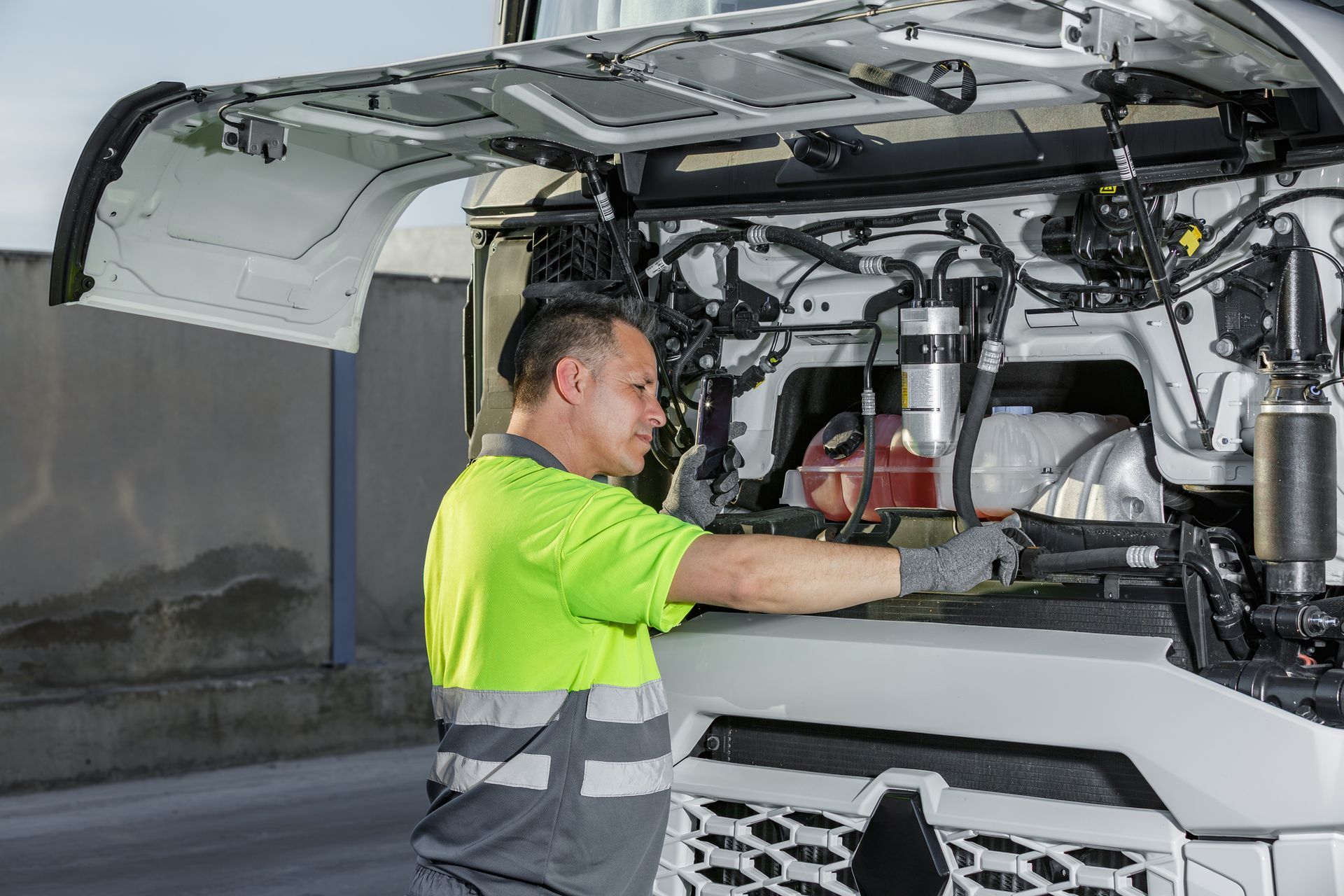
From engine diagnostics and DOT inspections to brake servicing and emissions system work, the team at Osborne Equipment Service is ready to help. Visit the diesel truck repair services page to learn about available services or call (740) 286-7535 to schedule service and keep your fleet on the road.
Find Osborne Equipment Service on Google to read reviews and get directions.